

Most people assume their family will figure things out after they are gone. In Texas, that assumption can lead to outcomes no one wanted. When a person dies without a valid will, the state does not ask what they would have wanted. It applies a fixed legal framework called intestate succession in Texas, which distributes assets according to a predetermined hierarchy of relatives, regardless of personal relationships or informal agreements. If you have a spouse, children, a domestic partner, or a close friend you wanted to protect, a proper estate plan is the only way to ensure your wishes hold up. Our estate planning attorneys in Austin work with families across Texas to prevent the courts from making decisions that should belong to you. To learn more about our estate planning process, visit our Austin estate planning page.
What Texas Intestate Succession Laws Actually Say
The rules governing intestate distribution are found in Chapter 201 of the Texas Estates Code, which divides the question of who inherits based on two categories: community property and separate property.
Community property is everything acquired during marriage. In most cases, a surviving spouse inherits the decedent’s share of community property outright. Separate property, which includes assets owned before marriage or received as a gift or inheritance, follows a different path.
If the deceased had children from the current marriage, the surviving spouse keeps a life estate in one-third of the separate personal property and a one-third share of the separate real property. The remaining portions pass to the children. If there are children from outside the marriage, the spouse receives only a child’s share of community property. For unmarried individuals with no children, the estate passes first to parents, then to siblings, then to more distant relatives. Unmarried partners receive nothing under this framework.
How the State Distributes Your Assets Without a Will
Texas intestacy laws work through a hierarchy that courts apply in a consistent, predetermined manner. Several scenarios illustrate how distribution plays out in practice.
A married person with children from that marriage: the spouse keeps all community property but shares separate property with the children in statutory fractions. A married person with children from a prior relationship: the surviving spouse may receive far less than expected, particularly for separate property. An unmarried person with children: assets pass to the children in equal shares. An unmarried person with no children: the estate goes to parents if living, then to siblings, then to further relatives. If no qualifying heir can be located, the estate escheats to the state of Texas.
What the law does not account for is intent. A lifelong partner who was never legally married may receive nothing. A stepchild raised by the deceased but never formally adopted is not an heir under intestacy. A close friend mentioned in a verbal arrangement inherits nothing. The law draws lines around legal relationships, not real ones.
The Hidden Costs and Delays of Dying Intestate
A full intestate administration is rarely quick or inexpensive. Because there is no will naming an executor, the probate court must appoint an administrator, a process that requires a separate legal filing and a court hearing. In most cases, the administrator must also post a bond, adding cost before any assets are touched.
The court then requires a determination of heirship, where an appointed attorney must locate all potential heirs and verify their identities and relationships to the deceased. This can extend the timeline by months. Legal fees, court costs, and the administrator’s compensation all come out of the estate before heirs receive anything.
Meanwhile, assets may be frozen. Bank accounts, real estate, and investment holdings may sit inaccessible while the process unfolds. For a surviving family already dealing with loss, this creates real financial hardship. A will preparation attorney in Austin can help you put a proper plan in place long before that situation arises. For more on how intestate estates are handled in Texas courts, the Texas Law Help resource on handling an estate provides a clear overview of what families face.

Common Misconceptions About Intestate Inheritance in Texas
Several widespread beliefs lead Texas families into avoidable situations.
Many Texans assume their spouse automatically inherits everything. This is often false. If separate property exists, children from any marriage, including prior ones, may inherit portions that the surviving spouse expected to keep.
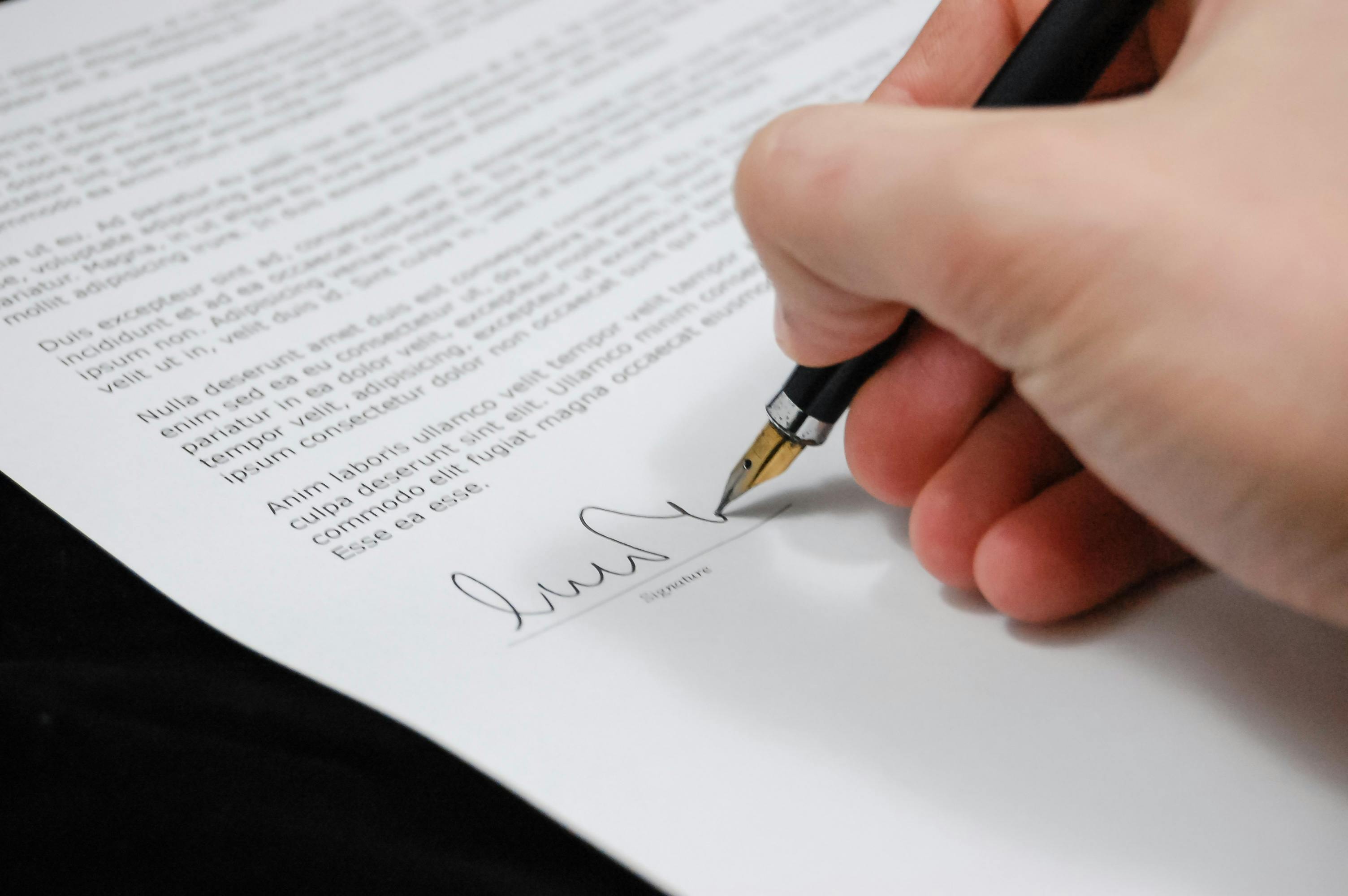
Others rely on verbal conversations with family members to convey their wishes. Verbal agreements carry no legal weight in probate court. Only a properly signed and witnessed will or trust document controls distribution.
Estate planning is sometimes seen as relevant only for wealthy individuals. Texas intestacy laws apply to anyone who owns property, maintains a bank account, or has minor children. The financial threshold is irrelevant.
Younger adults often assume there is no urgency. Research consistently shows that more than a third of Americans have experienced family conflict tied to inadequate estate planning, and intestate estates are a common trigger. As the Nolo guide on Texas intestate succession explains, the law reflects a legislative framework for what an average Texan might want, not what any individual actually intended.

Stop Letting the State Write Your Estate Plan
At Mike Massey Law, we help Texas families put their own plan in place before a court gets involved. Our flat-fee estate planning process begins with a free Design Meeting, moves to a Review Meeting to confirm every detail, and concludes with a Signing Ceremony. Our estate planning lawyer for families in Austin works with married couples, single parents, blended families, and individuals at every stage of life. Drafts are typically delivered within three business days of your engagement.
Whether you need a straightforward will or a complete estate plan, the right time to act is before a court gets involved. You can review your will options on our Austin wills page.
For families in the Houston area who need to navigate estate administration after a loss, our estate probate lawyer in Houston provides step-by-step support with flat-fee pricing and attorneys who stay in regular contact throughout. Learn more on our probate and trust administration page.
Schedule your free consultation to get started today.
Disclaimer: This blog is for informational purposes only and does not constitute legal advice. Reading this blog does not create an attorney-client relationship. For personalized legal guidance, please contact a licensed attorney in your jurisdiction.


