
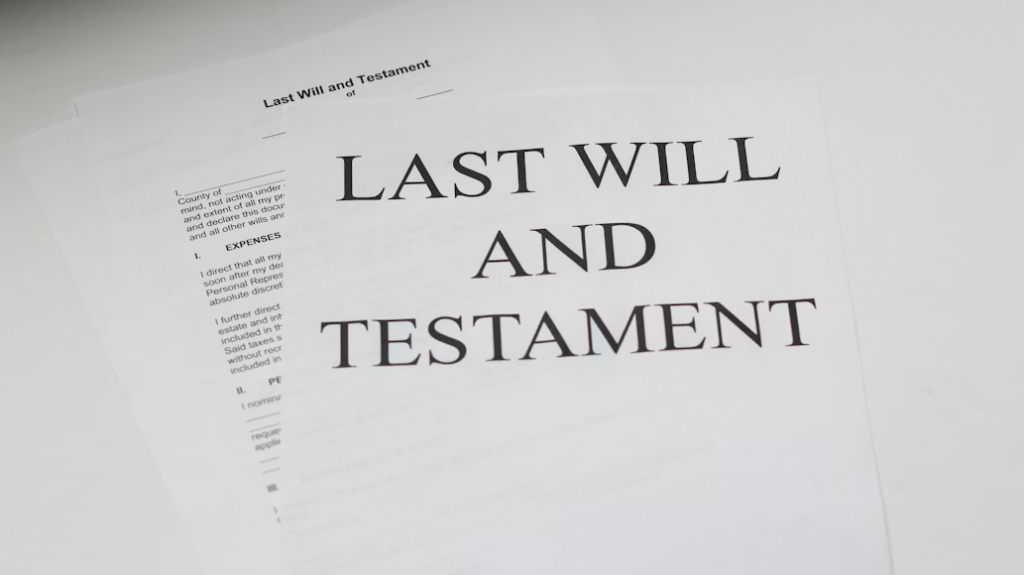
Most people put off estate planning because it feels overwhelming. Between legal terminology, competing advice from friends and family, and the discomfort of thinking about mortality, it’s easy to understand why so many Texans never get around to it. But estate planning doesn’t have to be complicated, and understanding the basic building blocks can make the entire process feel manageable.
This Texas estate planning guide walks through the core components of an estate plan: wills, revocable living trusts, powers of attorney, advance directives, guardianship designations, and beneficiary planning. By the end, you should have a clear picture of what each document does, how they work together, and why having a complete plan matters more than having just one piece of the puzzle.
Why a Single Document Isn’t Enough
A common misconception is that estate planning means writing a will and calling it done. In reality, a will only addresses what happens to your assets after death, and only through the probate court process. It says nothing about who makes medical decisions for you if you’re incapacitated, who manages your finances if you can’t, or how to avoid the time and expense of probate altogether.
A complete estate plan typically includes several documents working in tandem, each addressing a different scenario. This is where wills and trust lawyers can help, by identifying which combination of documents actually fits your family situation instead of applying a one-size-fits-all template.
The Last Will
A last will or testament is the foundational document most people think of first. It names an executor, designates guardians for minor children, and directs how your property should be distributed. Without one, Texas intestacy laws decide for you, following a statutory hierarchy that may not reflect your actual wishes.
That said, a will alone still requires probate, a court-supervised process that can take months and involves filing fees, court appearances, and disclosure to the public record. A lawyer can draft a will that at least ensures your wishes are followed, even if probate itself can’t be avoided through a will alone.
It’s also worth understanding what probate actually involves. After death, the named executor files the will with the county probate court, notifies the heirs and creditors, inventories the assets, pays outstanding debts, and eventually distributes the remaining assets. Depending on the county and whether anyone contests the will, this process can take anywhere from a few months to well over a year. Working with probate lawyers early, even before a death occurs, can help families understand what to expect and set realistic timelines.
Revocable Living Trusts: The Probate Alternative
For many Texas families, a revocable living trust is the centerpiece of the estate plan. Unlike a will, a trust can hold title to your assets while you’re alive, and because the trust (not you personally) owns the property, those assets typically pass to your beneficiaries without going through probate at all.
Revocable living trusts remain fully changeable during your lifetime. You can add or remove assets, change beneficiaries, or dissolve the trust entirely. You also generally serve as your own trustee while you’re capable, meaning you retain full control over your property day-to-day.
The real value shows up in two scenarios: incapacity and death. If you become unable to manage your affairs, a named successor trustee can step in immediately without a court-appointed guardianship. And when you pass away, your successor trustee can distribute assets according to the trust’s terms without waiting for the probate court.
A living trust lawyer will typically pair the trust with a “pour-over will,” a simple backup will that catches any assets accidentally left outside the trust and directs them into it. This combination is often described as a “belt and suspenders” approach, since it protects against the possibility that not every asset gets retitled into the trust during your lifetime.

Powers of Attorney: Planning for Incapacity
Powers of attorney address a different problem entirely: what happens if you’re alive but unable to make decisions for yourself. There are two main types. A financial power of attorney authorizes someone you trust to manage your bank accounts, pay bills, and handle property transactions on your behalf. They also authorize someone to make healthcare decisions if you’re unable to communicate your wishes to doctors.
Without these documents in place, your family may need to petition a court for guardianship just to access your accounts or make basic medical decisions, a process that’s slower, more expensive, and more public than most people expect. Guardianship proceedings also require ongoing court supervision, annual reporting, and, in many cases, involve attorney fees paid out of the incapacitated person’s estate. A properly executed power of attorney generally avoids all of that.
Advance Directives and Guardianship Planning
An advance directive, sometimes called a living will, states your wishes regarding life-sustaining treatment if you’re terminally ill or permanently unconscious. This document takes the burden off family members who would otherwise have to guess what you’d want during an already difficult time.
Guardianship planning matters most for parents of minor children. Your will should name a guardian, and many parents also include a letter of intent describing values, routines, and preferences for how they’d like their children raised. While not legally binding, it gives a named guardian meaningful guidance.
It’s also worth considering a standby or temporary guardian designation, which can be useful if both parents travel frequently or if there’s a chance a court-appointed process might be needed on short notice. This is a smaller detail many families overlook, but it can matter significantly if the unexpected happens.
Beneficiary Designations: The Overlooked Piece
Many people focus entirely on their will or trust and forget that certain assets pass outside of both. Life insurance policies, retirement accounts, and payable-on-death bank accounts transfer according to their beneficiary designations regardless of what your will says.
This is one of the most common estate planning mistakes: an outdated beneficiary form naming an ex-spouse or a person who has since passed away. Reviewing these designations periodically, especially after major life events like marriage, divorce, or the birth of a child, is a simple step that prevents significant confusion later.

Community Property Considerations in Texas
Texas is a community property state, which adds a layer of complexity that residents of other states don’t need to consider. Generally, property acquired during marriage is presumed to belong equally to both spouses, while property owned before marriage, or received individually as a gift or inheritance, is considered separate property.
This distinction matters significantly when drafting a will or funding a trust, since community and separate property can be treated differently depending on how the estate plan is structured. A trust and wills lawyer familiar with these rules can help make sure your plan properly accounts for both categories, avoiding disputes down the road.
Estate Planning for Business Owners
Business owners face additional considerations. If you own a business and become incapacitated or pass away without a plan, no one may have legal authority to keep operations running, pay employees, or make decisions until a court appoints someone. Estate planning for business owners can structure ownership so that a successor trustee or designated manager can step in immediately, keeping the business functioning without interruption.
It’s worth noting that a living trust addresses succession and probate avoidance, not liability protection. A separate entity, such as an LLC, provides liability protection by separating business debts and lawsuits from personal assets. The two tools serve different purposes, and when used together, an LLC shields you from liability while the trust ensures the business or property doesn’t become unmanageable due to a lack of authority after death.
Minimizing Probate: Practical Strategies
Beyond a revocable living trust, there are several practical ways to reduce what passes through probate:
- Transfer-on-death deeds for real property, allowing a home to pass directly to a named beneficiary
- Payable-on-death designations on bank accounts
- Joint ownership with rights of survivorship for certain shared assets
- Proper beneficiary designations on retirement accounts and life insurance
None of these strategies works in isolation, though. They need to be coordinated with your will and trust so there are no gaps or contradictions. Transfer-on-death deeds, for instance, require careful drafting to make sure the legal description of the property and the designated beneficiary are correctly recorded with the county. This is precisely the kind of coordination an estate planning trust lawyer handles, making sure every document and designation point in the same direction.
Putting It All Together
A complete Texas estate plan usually includes:
- A revocable living trust (for most families)
- A pour-over will
- A financial power of attorney
- A medical power of attorney
- An advance directive
- Updated beneficiary designations
- Guardian nominations for minor children, if applicable
Working with an estate planning law firm that walks through your specific assets, family structure, and goals helps ensure nothing is overlooked.

Frequently Asked Questions
- At what point in life should someone actually start creating an estate plan?
There’s no minimum age or net worth requirement. Any adult with property, dependents, or specific wishes for their care benefits from having a plan in place, ideally well before a health event or major life change makes it urgent.
- Does setting up a revocable living trust mean I no longer need a will at all?
No. A trust and a pour-over will serve different purposes and work together. The will still names guardians for minor children and catches any assets that were never transferred into the trust.
- How frequently should an existing estate plan be reviewed and updated?
Generally, every three to five years, or sooner after marriage, divorce, a new child, a significant purchase, or the death of a named executor, trustee, or beneficiary listed in your documents.
- Is a power of attorney only necessary for elderly individuals or those with health concerns?
No. Incapacity can result from an accident or sudden illness at any age. Adults of any age benefit from having financial and medical powers of attorney in place well beforehand.
- Are free online estate planning templates a reliable substitute for working with an attorney?
Generic templates often miss Texas-specific requirements, such as community property rules, proper witnessing, and notarization standards. Errors in these areas can render a document invalid or unenforceable when it’s needed most.

Building a complete Texas estate plan doesn’t have to mean months of confusion or unpredictable legal fees. At Mike Massey Law, our wills and trust lawyers work with families and business owners across Austin and Houston in Texas to create clear, personalized plans built around revocable living trusts, wills, and powers of attorney. Whether you need a family trust attorney to structure a plan for future generations, a living trust lawyer to help transition a business or property smoothly, or an estate planning trust lawyer to coordinate every document into one cohesive plan, our process is designed to be transparent from the first conversation. We offer flat-fee estate planning services, a defined timeline, and a straightforward path from initial meeting to signed documents. If you’ve been putting off your estate planning, our estate planning lawyers for families can help you get started in no time.
Contact us and book a free consultation with our estate planning law firm for the ultimate Texas estate planning guidance.


