

Planning for the future is one of the most important financial and personal decisions a family can make. Yet many Texans delay estate planning because they assume the process is too complicated, too expensive, or something that can wait until later in life. Unfortunately, procrastination often creates unnecessary stress for loved ones and increases the chances that assets will become tied up in probate court. Understanding how to avoid probate in Texas can help families protect property, maintain privacy, reduce delays, and create smoother transitions after death.
Probate is the legal process used to validate a will, appoint an executor, settle debts, and distribute assets after someone passes away. While Texas has a more streamlined probate system than some other states, the process can still involve court filings, legal fees, waiting periods, and administrative burdens. Families who own real estate, operate businesses, or have blended family situations often benefit from taking proactive steps to minimize probate exposure.
This guide explores the most effective estate planning tools available in Texas, including living trusts, transfer on death deeds, beneficiary designations, and coordinated planning strategies. It also explains how structured legal guidance and a streamlined workflow can help families move from procrastination to peace of mind.
Understanding Probate in Texas
Probate serves an important purpose, but many families prefer to avoid it when possible. The probate process generally begins after death when a will is submitted to the court. The court then determines whether the will is valid and appoints an executor to handle the estate. That executor may need to inventory assets, notify creditors, distribute property, and file various legal documents.
Even relatively straightforward probate cases can take months to resolve. More complex situations involving real estate, business ownership, disputes between beneficiaries, or missing documents may take much longer. Probate proceedings also become part of the public record, meaning personal financial details may become accessible to others.
One of the biggest misconceptions is that having a will automatically avoids probate. In reality, a will usually guides the probate process rather than bypassing it. A properly drafted will remains an essential estate planning document, but many Texans also use trusts and beneficiary planning to reduce court involvement.
Families seeking guidance from estate planning attorneys often discover that a layered estate strategy provides far more protection than relying on a will alone.
Why Living Trusts Are Central to Probate Avoidance
A revocable living trust is one of the most effective tools for avoiding probate in Texas. A trust allows a person to transfer ownership of assets into a legal entity managed for their benefit during life and distributed according to their instructions after death.
When assets are properly titled in the name of the trust, they typically do not need to pass through probate court because the trust already controls ownership. Instead, a successor trustee can step in and manage or distribute assets according to the trust instructions.
Living trusts offer several important advantages:
- Greater privacy because trust administration usually remains outside public court records
- Faster asset distribution for beneficiaries
- Easier management of property if incapacity occurs
- Reduced risk of probate delays for multi-property estates
- Greater flexibility for blended families and long-term planning
However, it is important to understand that a living trust does not provide liability protection by itself. Some people mistakenly assume trusts shield assets from lawsuits or creditors. In many situations, an LLC provides liability protection, while the living trust helps avoid probate and creates continuity after death. Together, these tools can work effectively for business owners and property investors.
Families working with living trust attorneys, or a family trust attorney in Austin, TX, often use trusts to simplify transitions involving homes, rental properties, or family businesses.

The Role of Transfer on Death Deeds in Texas
Texas law allows homeowners to use Transfer on Death Deeds (TODDs) to transfer real estate outside probate. This document lets a property owner name a beneficiary who will automatically inherit the property upon death without requiring probate proceedings.
Transfer on Death Deeds can be particularly helpful for individuals who want a simple probate-avoidance strategy for a primary residence or investment property. The owner retains complete control during life and can revoke or change the deed if circumstances change.
Benefits of Transfer on Death Deeds include:
- Avoiding probate for qualifying real estate
- Retaining ownership and control during life
- Simpler transfer procedures after death
- Reduced legal delays for beneficiaries
However, TODDs are not ideal for every situation. Families with multiple beneficiaries, blended family concerns, creditor issues, or complex property arrangements may require more advanced planning through trusts or coordinated estate documents.
This is why many Texans consult real estate deed attorneys or seek broader estate planning services before relying solely on deed transfers.
Beneficiary Designations: The Often Overlooked Probate Tool
Many assets can bypass probate entirely through properly completed beneficiary designations. These designations instruct financial institutions to transfer assets directly to named beneficiaries after death.
Common examples include:
- Retirement accounts
- Life insurance policies
- Payable-on-death bank accounts
- Transfer-on-death investment accounts
Beneficiary designations are powerful because they operate independently from a will. Even if a will says something different, the beneficiary form usually controls who receives the asset.
Unfortunately, outdated or incomplete designations create frequent problems. Divorce, remarriage, births, deaths, and business changes may leave account instructions inconsistent with the overall estate plan. Families sometimes discover too late that an old beneficiary form unintentionally overrides newer wishes.
Reviewing beneficiary designations regularly is a critical part of learning how to avoid probate in Texas while also reducing future disputes. Coordinating these forms with trusts, powers of attorney, and wills helps create a comprehensive plan rather than disconnected documents.
Individuals seeking guidance from a trust attorney or an estate planning trust lawyer often discover that updating beneficiary forms is one of the quickest ways to strengthen an estate plan.
Wills Still Matter in Probate Avoidance Planning
Although trusts and beneficiary designations can reduce probate exposure, wills remain extremely important. A properly drafted will acts as a safety net for assets that were not transferred into a trust or assigned through beneficiary designations.
Texas residents often use “pour-over wills” alongside living trusts. A pour-over will directs remaining assets into the trust after death, helping ensure property eventually follows the trust’s instructions.
Wills also allow parents to:
- Nominate guardians for minor children
- Provide instructions for personal property
- Clarify family intentions
- Reduce confusion among heirs
Without a valid will, Texas intestacy laws determine who inherits property, which may not align with personal wishes.
Many families consult wills and trust lawyers to ensure their documents work together cohesively.

Avoiding Probate Disputes Through Proactive Planning
Probate disputes can arise when documents are unclear, outdated, or incomplete. Conflicts frequently involve allegations of undue influence, questions about mental capacity, disagreements between siblings, or confusion surrounding property ownership.
Careful planning reduces the likelihood of litigation and emotional conflict. Clear communication, properly executed documents, and consistent beneficiary planning all help minimize future problems.
Some common causes of probate disputes include:
- Multiple conflicting wills
- Missing trust funding
- Unclear beneficiary designations
- Business succession disagreements
- Verbal promises that contradict legal documents
For business owners and property investors, the stakes can become even higher. If no one has legal authority to manage a business or rental property immediately after death, operations may become disrupted until the court appoints an executor.
This is one reason LLC structures and trusts are often coordinated together. The LLC may provide operational and liability benefits during life, while the trust helps ensure smoother ownership transitions after death.
Families concerned about future conflict may seek guidance from a probate disputes lawyer or a trust litigation attorney before problems arise.

The Importance of Powers of Attorney and Incapacity Planning
Probate avoidance planning should also address incapacity. Many people focus solely on what happens after death, but temporary or permanent incapacity can create equally serious legal and financial challenges.
Powers of attorney allow trusted individuals to make financial or medical decisions if someone becomes unable to act independently. Without these documents, loved ones may need to pursue guardianship proceedings through the court system.
Essential incapacity planning documents often include:
- Durable financial powers of attorney
- Medical powers of attorney
- HIPAA authorizations
- Directive to physicians
- Guardianship designations
Trust-based planning can also assist with incapacity management because successor trustees may step in to manage trust assets without court intervention.
Whether someone is creating a basic estate plan or building a more advanced trust strategy, incapacity planning remains a foundational component of long-term preparation.
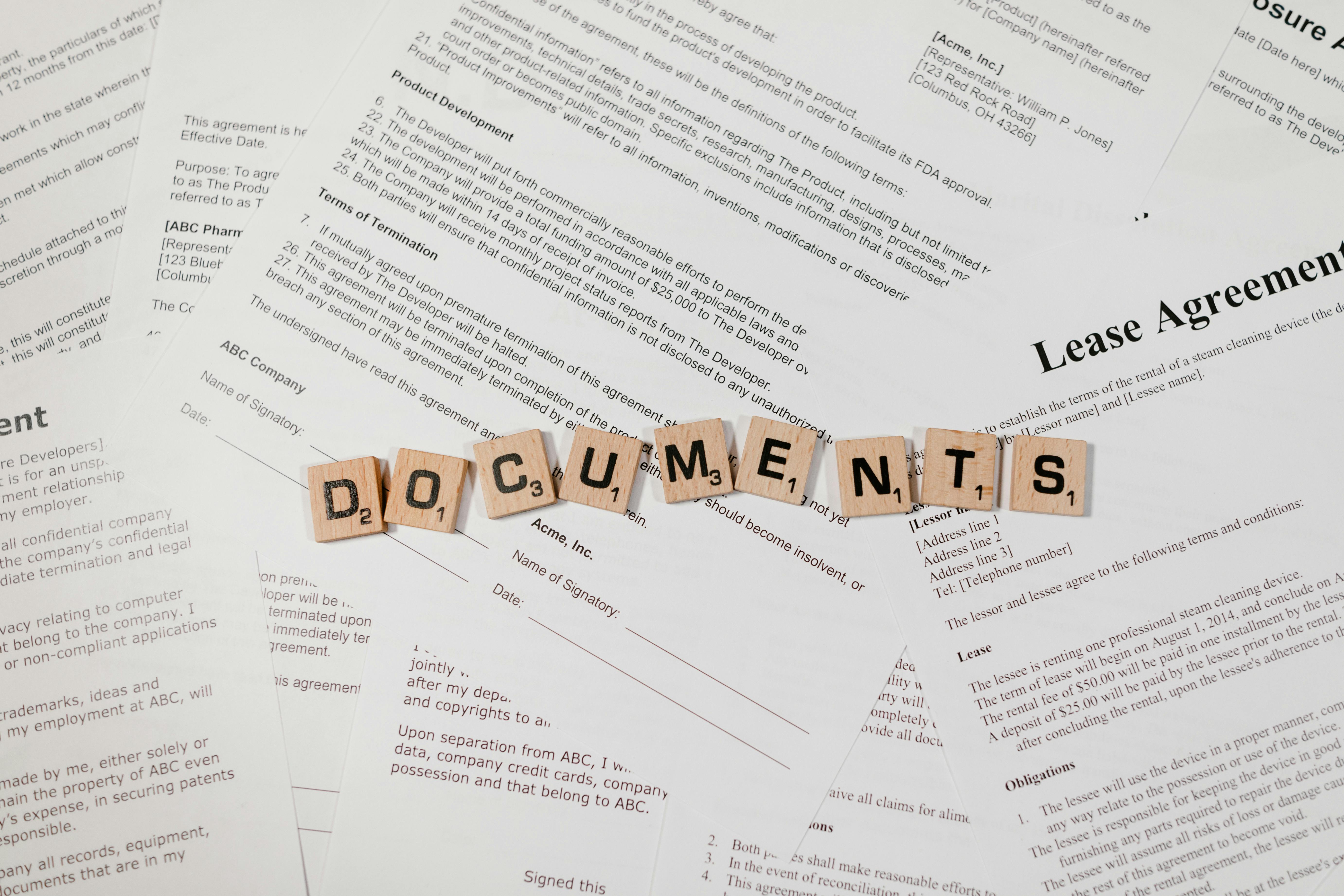
A Streamlined 3-Meeting Workflow That Reduces Estate Planning Delays
One of the biggest reasons people postpone estate planning is the belief that the process will be overwhelming or time-consuming. In reality, structured workflows can make the experience far more manageable.
Many modern estate planning firms use simplified systems designed to guide clients through each stage efficiently. A common three-meeting approach includes:
- Design Meeting
During the initial meeting, the client discusses family structure, financial goals, property ownership, and probate concerns. This stage focuses on identifying risks and determining which tools best fit the client’s objectives.
Topics may include:
- Whether a living trust makes sense
- How to structure beneficiary designations
- Real estate transfer strategies
- Guardianship planning
- Business succession concerns
- Review Meeting
The second meeting allows the client to review draft documents carefully. Attorneys explain how each document works together and answer questions before finalization.
This stage helps reduce misunderstandings and ensures the plan reflects the client’s wishes accurately.
- Sign Meeting
The final meeting involves formal execution of the documents according to Texas legal requirements. Once signed, the estate plan becomes operational.
Efficient workflows combined with fast document preparation can dramatically reduce the procrastination that prevents many families from completing their plans. A three-day turnaround for core estate planning documents may help families move forward before delays and uncertainty grow into larger problems.
For many Texans, the biggest obstacle is not complexity but simply getting started. Structured guidance transforms estate planning from an intimidating process into a manageable series of decisions.
Estate Planning Is About More Than Wealth
Many people assume estate planning only matters for wealthy families. In reality, probate avoidance planning benefits anyone who owns property, has children, operates a business, or wants greater control over future decisions.
Estate planning can help:
- Protect children and loved ones
- Preserve family harmony
- Simplify property transfers
- Maintain privacy
- Reduce administrative burdens
- Create continuity for businesses
- Clarify healthcare wishes
Whether someone owns a single home or multiple investment properties, planning ahead often provides significant emotional and financial relief for surviving family members.
Taking the First Step Toward Probate Avoidance
Learning how to avoid probate in Texas begins with understanding that no single tool fits every family. Effective estate planning usually combines multiple strategies, including trusts, wills, powers of attorney, beneficiary designations, and property transfer planning.
At Mike Massey Law, PLLC, we believe estate planning should feel approachable, practical, and efficient rather than overwhelming. Whether you are searching for estate planning attorneys, trust lawyers, or an estate planning lawyer for families in Austin, TX, our goal is to help you create a clear path forward with confidence. Through our structured Design, Review, and Sign process and fast three-day document turnaround, we help individuals and families move past estate planning procrastination while building plans focused on probate avoidance, property protection, and smoother transitions for loved ones. We invite you to reach out to our team today to discuss your specific goals and explore how we can help.
FAQ
How much does a living trust usually cost in Texas?
Costs vary depending on the complexity of the estate, property ownership, and whether additional planning documents are needed. Trust-based plans generally cost more than simple wills because they involve more detailed planning and funding strategies.
Does owning real estate automatically trigger probate in Texas?
Not always. Real estate may avoid probate through living trusts, Transfer on Death Deeds, joint ownership arrangements, or beneficiary-based planning. The structure of ownership matters significantly.
Are out-of-state wills valid in Texas courts?
In many cases, yes. Texas courts may recognize a valid will created in another state if it complied with that state’s laws when signed. However, reviewing and updating older documents after relocating to Texas is often recommended.


